Fire Ratings and Restrictions
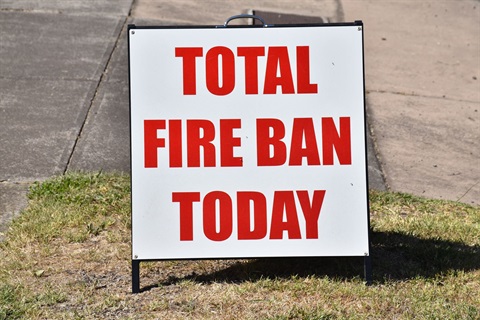
Understanding fire danger information is an important part of living in the Pyrenees Shire. Fire Danger Ratings, Fire Danger Periods and Total Fire Bans all play a role in helping residents understand fire risk and take the right actions to protect themselves, their families and their properties.
Fire Danger Ratings
Fire Danger Ratings (FDRs) indicate how dangerous a fire could be if one were to start. They are designed to help people make informed decisions before a bushfire or grassfire occurs, giving enough time to prepare and act when conditions become more severe.
The Fire Danger Rating system is used throughout Australia, meaning the same ratings and advice apply whether you are at home or travelling interstate. The ratings are colour-coded and range from Moderate through to Catastrophic.
A Moderate rating means it is time to plan and prepare. A High rating means you should be ready to act if a fire starts. An Extreme rating indicates dangerous fire conditions where you should take action to protect your life and property. A Catastrophic rating is the highest level and means that leaving bushfire risk areas is the safest option for survival.
The system also includes an "off" level, shown as a white segment beneath Moderate on the Fire Danger Rating wheel. This indicates that no specific action is required by the community, although fires can still occur and should never be ignored.
Fire Danger Ratings are forecast by the Bureau of Meteorology up to four days in advance, helping communities prepare ahead of severe weather and fire conditions.
For more information visit the CFA Fire Danger Ratings page.
Fire Danger Period
The Fire Danger Period is declared by CFA each year and marks the time when fire restrictions are needed because of increased bushfire risk. The dates vary across Victoria and are determined by local conditions such as rainfall, fuel loads, grass curing and seasonal weather patterns.
During a declared Fire Danger Period, residents cannot light a fire without the appropriate permit. These restrictions help reduce the likelihood of accidental fires during periods of elevated risk.
Residents are encouraged to check the Fire Restriction Dates page on the CFA website for updates as the fire season approaches.
It is important to remember that the Fire Danger Period is declared by CFA, not Council, and neighbouring municipalities may have different start and end dates depending on local conditions.
Total Fire Bans
Total Fire Bans are declared by CFA's Chief Officer on days of heightened fire danger to reduce the risk of fires starting and spreading.
When considering a Total Fire Ban, the CFA assesses a range of factors, including forecast Fire Danger Ratings, current fires across the landscape, weather conditions, the availability of firefighting resources and the likelihood of both human-caused and lightning-caused ignitions.
On a Total Fire Ban day, strict legal restrictions apply to activities that could potentially start a fire. Anyone who breaches a Total Fire Ban may face significant penalties, including substantial fines and possible imprisonment.
Before undertaking any activity involving fire, residents should always check whether a Total Fire Ban has been declared on the CFA website and understand the restrictions that apply.
Fire Danger Period and Total Fire Ban: What's the Difference?
A common misunderstanding is that a Fire Danger Period and a Total Fire Ban are the same thing. While both involve restrictions on the use of fire, they serve different purposes.
A Fire Danger Period generally remains in place for several months during the fire season and imposes ongoing restrictions on lighting fires in the open air. A Total Fire Ban, on the other hand, is declared for a specific day when weather and fire conditions are forecast to be particularly dangerous.
Prepare Before Fire Season
The best time to prepare for bushfire is well before the warmer months arrive. Taking steps early can reduce risk and help you respond quickly if a fire threatens.
Residents are encouraged to prepare their property, develop or review a Bushfire Survival Plan, understand local burning-off regulations and stay informed about changing conditions throughout the fire season. Having an emergency kit ready, maintaining defendable space around buildings and discussing plans with family members can all make a significant difference during an emergency.
For informaton visit Preparing your property or visit CFA website.
Further Information
For the latest Fire Danger Ratings, Fire Danger Period declarations, Total Fire Ban information and emergency warnings, visit the CFA and VicEmergency websites regularly throughout the fire season.
Staying informed is one of the most important steps you can take to protect yourself and your community.